Introduction
Buying a CCTV camera system often starts with a simple concern. Something feels off. Maybe it is a shop left unattended at night, a home that stays empty during the day, or an office where too many questions go unanswered. The idea of installing cameras feels right, but choosing the right system is where most people pause. Not all cameras are the same, and a rushed decision can leave gaps where security was supposed to exist.
Security is a constant evolution. By adding layers—first locks, then cameras, then guards—you are constantly “winning” over potential threats by being one step ahead of their skill level.
The Book of Five Rings by Miyamoto Musashi
The first thing people usually notice is the price, but the real value of a CCTV camera lies in what it can actually show you. A low-quality camera may record movement, but when you need clarity, faces blur and details disappear. Clear video is not about luxury, it is about being able to recognize what truly happened when it matters most.
Location quietly shapes every decision that follows. A camera meant for a living room behaves very differently from one placed outside a gate. Sunlight, rain, dust, and heat all test a camera’s durability. Many buyers realize too late that an indoor camera cannot survive outdoor conditions, and replacing equipment becomes an unnecessary expense.
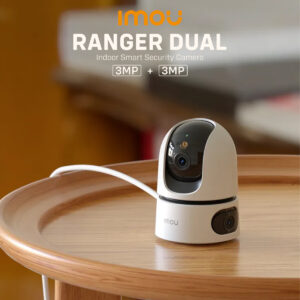
As daylight fades, another question appears. Can the camera see in the dark. Most incidents happen when visibility is low, and a system without reliable night vision leaves long hours unprotected. Infrared and low-light cameras fill this gap, turning darkness into usable footage rather than empty recordings.
Storage is rarely exciting, yet it becomes important the moment footage is needed. Some systems record over old data quickly, while others store weeks of activity. When an incident is discovered days later, storage capacity decides whether evidence still exists or has already vanished.
The choice between wired and wireless systems often depends on the space itself. Larger buildings benefit from stable wired connections, while smaller homes and shops appreciate the flexibility of wireless setups. Each option has its strengths, and the best choice is the one that fits the environment rather than trends.
Perhaps the most reassuring feature of modern CCTV systems is remote access. Being able to check your cameras from a phone during work hours or while traveling changes how people think about security. It replaces uncertainty with instant awareness and allows faster decisions when something feels wrong.
In the end, buying a CCTV camera system is not about buying equipment. It is about understanding your space, your routine, and your risks. When those pieces align, the right system feels less like a purchase and more like a long-term safeguard quietly doing its job in the background.
Conclusion
In the end, buying a CCTV camera system is not just a technical decision, it is a personal one. It is about choosing confidence over doubt and awareness over assumption. When the right system is chosen with care, security fades into the background and peace of mind takes its place. You stop wondering what might happen and start knowing that whatever does, you will see it clearly.